

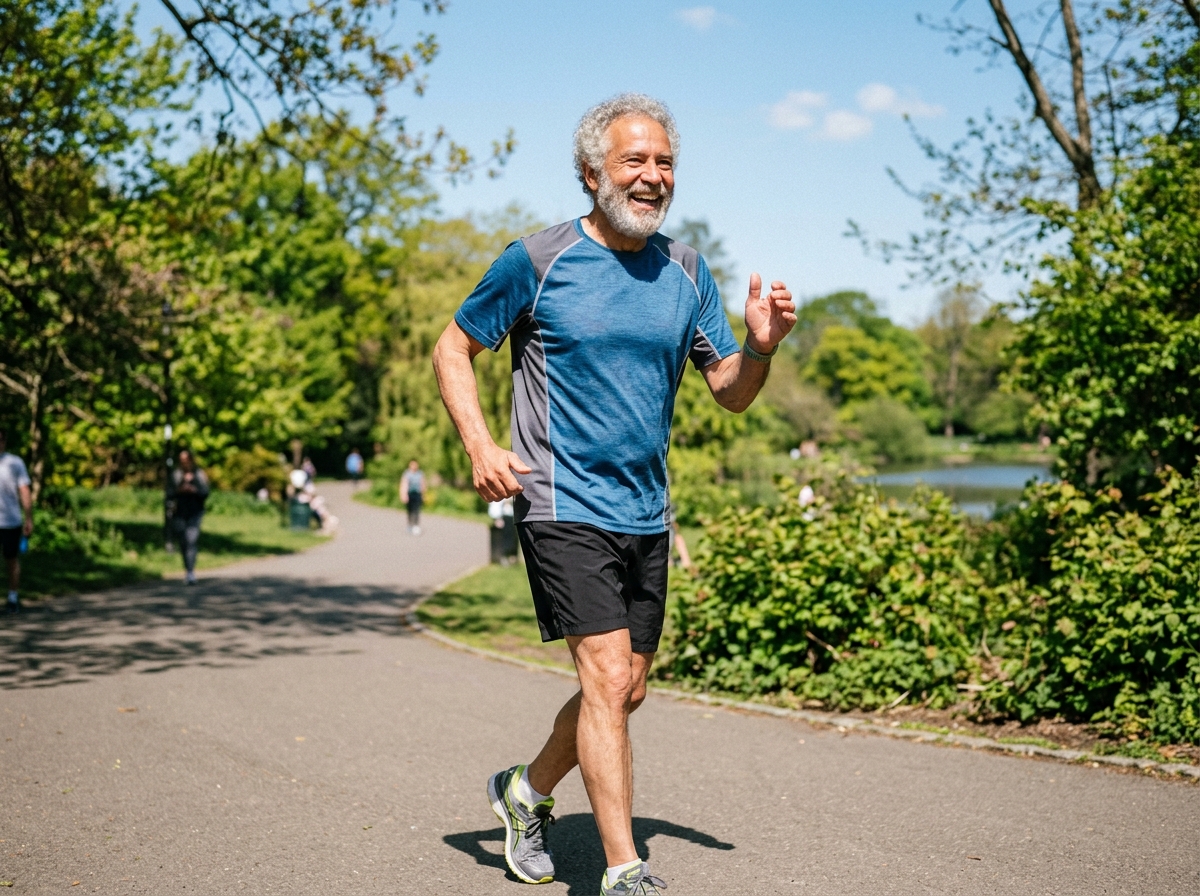
Aging is a natural process, but slowing down doesn’t have to be. True longevity isn’t just about adding years to your life; it’s about adding high-quality, vibrant life to your years. As men cross the milestone of 50, the body naturally undergoes metabolic and hormonal shifts. However, these changes don’t mean your prime years are behind you. To maintain your independence and youthfulness as you cross the age of 50, you need a structured, proactive approach to your daily habits.
This comprehensive guide breaks down the five core pillars of active aging so you can successfully prevent muscle stiffness, protect your metabolic health, and continue living an active, adventurous life full of confidence and vitality.
1. Build Joint Mobility & Flexibility
As the body matures, collagen production decreases and joint cartilage naturally loses some of its moisture. This often manifests as morning stiffness or aching joints. To counteract this, dynamic mobility work should become a non-negotiable part of your daily routine.
Unlike static stretching, dynamic mobility involves moving your joints through their full, natural range of motion. Dedicating just 10 to 15 minutes a day to exercises like hip openers, shoulder rotations, and thoracic spine twists lubricates your joints with synovial fluid. This simple habit drastically prevents common injuries, improves your daily posture, and ensures that basic movements—like bending down or reaching overhead—remain entirely effortless.
2. Protect and Maintain Muscle Mass
One of the most significant physical challenges men face after 50 is the natural, progressive loss of skeletal muscle mass and strength, medically known as sarcopenia. Without intentional resistance training, this decline accelerates, leading to a slower metabolism, weakened bones, and a higher risk of physical injury.
The ultimate antidote to muscle loss is regular resistance training. Lifting weights, using resistance bands, or executing bodyweight exercises like push-ups and squats tell your nervous system that your muscles are still desperately needed. Aiming for at least 3 days a week of strength training safely builds powerful muscle groups, safeguards your physical independence, improves insulin sensitivity, and protects your skeletal health for decades to come.
3. Improve Cardiovascular Endurance
Your heart is the ultimate engine of your body, and training it is a vital component of total longevity. Regular cardiovascular exercise keeps your arteries flexible, lowers resting blood pressure, reduces bad cholesterol levels, and significantly boosts your daily stamina.
You don’t need to train for a grueling marathon to reap these benefits. The key is consistency with moderate-intensity aerobic activities. Activities like brisk walking, swimming, cycling, or rowing for 150 minutes per week keep your cardiovascular system running efficiently. This consistent movement ensures you maintain the necessary energy and stamina to live life to the absolute fullest.
4. Optimize Sleep Hygiene
Many men underestimate the profound impact that sleep has on the physical aging process. Deep, uninterrupted sleep is the exact window when your body goes into overdrive to repair cellular damage, balance critical hormones (like testosterone and human growth hormone), and consolidate your daily memories. Chronic sleep deprivation directly accelerates both physical and cognitive decline.
To optimize your sleep quality, build a strict evening wind-down ritual. Go to bed and wake up at the exact same time every day to lock in your internal circadian rhythm. Most importantly, eliminate blue-light exposure from smartphones, laptops, and televisions at least one hour before bed, as blue light directly suppresses melatonin production, making deep, restorative sleep much harder to achieve.
5. Nurture Sharp Cognitive Function & a Positive Outlook
Physical health and strength are entirely incomplete without a balanced, calm, and resilient mind. Just like your muscles, your brain operates on a strict “use it or lose it” principle. To protect your cognitive health and ward off age-related memory decline, you must continually challenge your brain with new, unfamiliar tasks.
Engaging in activities that promote neuroplasticity—such as learning a new language, solving complex puzzles, or reading deeply—keeps your mind incredibly sharp. Additionally, maintaining a positive outlook and fostering deep social connections reduces chronic stress and keeps depression at bay. Cultivating a supportive community and a healthy mindset is one of the most powerful, proven indicators of a long, happy, and fulfilled life.
The Bottom Line: Aging with vitality is not a matter of luck or superior genetics; it is the direct result of intentional, daily choices. By protecting your joints, strengthening your muscles, fueling your heart, honoring your sleep, and challenging your mind, you aren’t just surviving the passing years—you are actively mastering them. Start small, stay consistent, and claim the vibrant future you deserve.
