

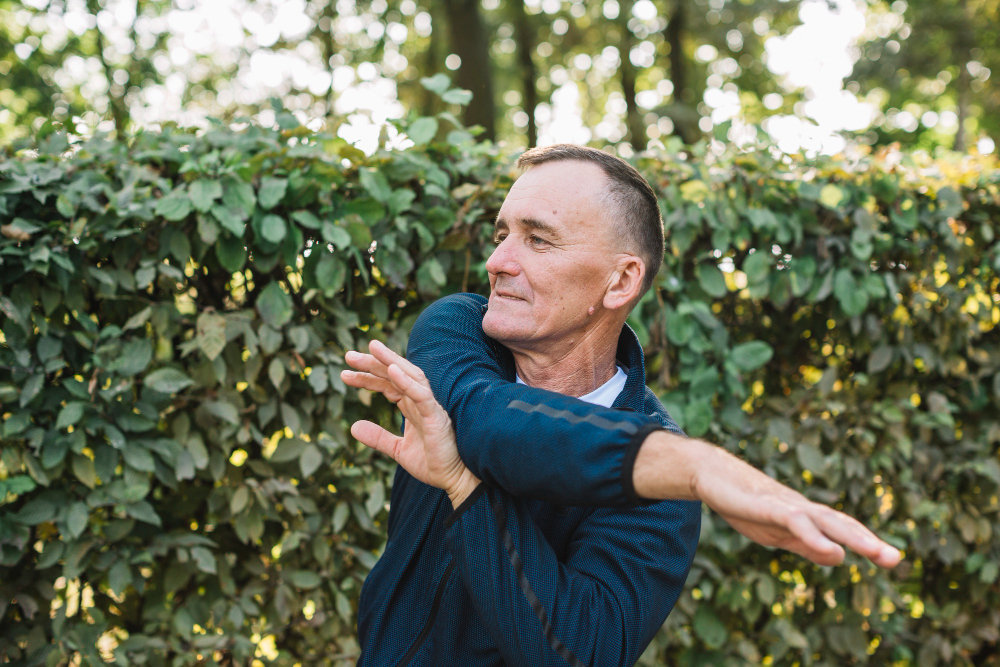
Turning fifty often feels like crossing an invisible line. Some people wake up sore after moderate physical activity, while others notice a sudden decline in their drive and energy. Yet, far from being a downhill slope, this stage of life can become an opportunity for men to reclaim their strength, confidence, and well-being in new and sustainable ways.
If you feel stuck—frustrated by slower recovery or anxious about waning vitality—you’re not alone. In fact, millions of men are asking: “Are there simple, safe, and effective ways to feel stronger and healthier after 50?” The answer—supported by experience and research—is a firm yes. The key is to focus on natural, science-backed strategies and listen to the body’s changing needs.
Why Men’s Health Over 50 Matters: Facing Shifts with Confidence
Let’s be honest: aging brings more than silver hair. Muscle mass may diminish, testosterone drops, and sometimes a sense of fog or fatigue creeps in unexpectedly. Even if you’ve been healthy for years, these changes can impact everything from sleep to mood to performance.
Where many go wrong is assuming decline is automatic. In reality, strategic changes in nutrition, supplementation, and routine can protect and even restore male vitality. Think of it as adapting your “operating system” rather than replacing the hardware.
1. Natural Supplements for Men Over 50 to Boost Vitality and Strength
The supplement market is vast—and confusing. Men often express doubts: “Can a pill really help?” To cut through the noise, here’s what actually helps according to peer-reviewed science and nutrition experts.
Best Multivitamins for Men 50+
A quality multivitamin is like a health safety net for men over 50, especially when life gets busy or dietary choices aren’t perfect. Look for formulas with ample Vitamin D (crucial for bone strength and immune support), zinc (which supports healthy testosterone levels), magnesium (which improves sleep and heart function), and B vitamins for increased energy. For example, a client named Pete found that adding magnesium and a B-complex supplement helped him sleep better and wake up feeling energized, something he hadn’t experienced since his 40s.
Natural Testosterone Boosters: Separating Fact from Hype
Genuine concerns about testosterone are common—so is misinformation. Products like Tongkat Ali, Tribulus Terrestris, and Fenugreek have clinical backing for modest support in maintaining testosterone production and even libido. For men hesitant about medication, these supplements—used carefully—offer a safe avenue to feel more vibrant. Always choose a brand that shares dosage and ingredient transparency; avoid “proprietary blends” that refuse to disclose specifics.
Omega-3 Fatty Acids: Defending Heart and Mind
Loneliness, anxiety, or concerns about heart health become more common after fifty. Omega-3 fatty acids, found in fish oil and flaxseed, support cardiovascular health, fight inflammation, and help keep the brain sharp. Jeff, age 62, shared that after three months on fish oil, his cholesterol improved, and he felt less mentally “scattered.” Small changes add up.
2. Fitness Tips for Men Over 50: Movement as Medicine
It’s natural to doubt your ability to get fit after a long break or an injury. Still, exercise remains one of the most effective anti-aging tools available.
Strength Training for Lasting Energy
Lifting even light weights—using resistance bands, your own body weight, or simple dumbbells—builds muscle and keeps bones strong. Start slow: two sessions a week, focusing on safe, controlled movements. Richard, a retired driver at 67, found that even wall pushups and squats reawakened dormant muscles and gave him more pep for daily activities.
Cardiovascular Exercises for Heart and Endurance
Cardio isn’t just for athletes. Whether you’re brisk walking, swimming, cycling, or participating in water aerobics, physical activity gets your heart pumping and blood flowing. Moderate intensity (where you can talk but not sing) two or three times per week keeps the heart healthy without stressing joints—pair cardio days with stretching for lasting flexibility.
3. Healthy Lifestyle Habits That Really Work for Men’s Wellness After 50
Big health wins often stem from minor tweaks—sometimes overlooked in favor of “big promises.”
Prioritize Quality Sleep: Foundation of Renewal
Hormone health, recovery, mood, and even muscle growth depend on solid sleep. A simple nightly routine—lights dimmed, screens off, maybe some light reading—signals your body that it’s time to rest. Add magnesium or melatonin (as recommended by a doctor) if sleep eludes you.
Balanced Nutrition: Every Meal Is a Deposit in Your Future
Favor lean protein (fish, chicken, eggs), healthy fats (olive oil, avocado), and vibrant vegetables. Avoid extreme diets and focus on meals you enjoy—sustainability wins. When eating out, opt for steamed vegetables or salads instead of fried sides. Hydration matters, too: aiming for 8 cups of water daily is a great baseline.
4. Mindset, Stress, and Connection: The Underestimated Power Trio for Men After 50
Many men silently worry about loneliness, purpose, or stress. Addressing them is as essential as squats or supplements.
Stress Management Techniques
Chronic stress spikes cortisol, which can dampen testosterone and slow progress—experiment with meditation apps, short walks outdoors, or even journaling before bed. Frank, who spent years in high-pressure transport, found that five minutes of deep breathing before meetings eased tension and improved sleep.
Social Engagement and a Sense of Purpose
Retirement or shifts in work can leave men feeling disconnected from their work. Join a group, such as a sports team, book club, or volunteer organization. Pursue new skills or goals. These connections improve mental health, protect against cognitive decline, and make every day richer.
5. Regular Hormonal Health Monitoring: Data Drives Success
Don’t guess—check in with your doctor annually. Blood tests for testosterone, vitamin D, thyroid function, and cholesterol enable you to adjust your nutrition and supplements with confidence. Early intervention can prevent bigger troubles: many report relief simply from knowing their numbers and having a plan in place.
6. Choosing Quality Supplements: Safety First for Men Over 50
Always read the label. Third-party testing ensures purity and potency; look for certifications such as NSF, USP, or GMP. Bad supplements, especially those with “proprietary blends,” may contain fillers, allergens, or inconsistent doses.
If cost is a concern, remember that high quality often costs less over time by delivering reliable results without side effects.
7. Practical Strategies for Starting—And Sticking—to Your Best Health
Change doesn’t mean overhaul—it’s a process. Begin by adding one healthy habit (such as a morning walk, vitamin D supplementation, or increased vegetable intake) each week. Track your mood, sleep, and strength to boost motivation. When doubts arise (“Is this really worth it?”), Remind yourself: vitality is measured by what’s gained, not just what’s lost.
Conclusion: Male Strength After 50—A Journey, Not a Decline
Just as important as the right supplements or workouts is self-belief. Know that renewed energy, confidence, and health are possible—one intentional step at a time. Men over 50 are redefining what strength looks and feels like. You can be one of them. Choose a strategy, stick with it, and celebrate every milestone in your journey toward vibrant, lasting health.
