

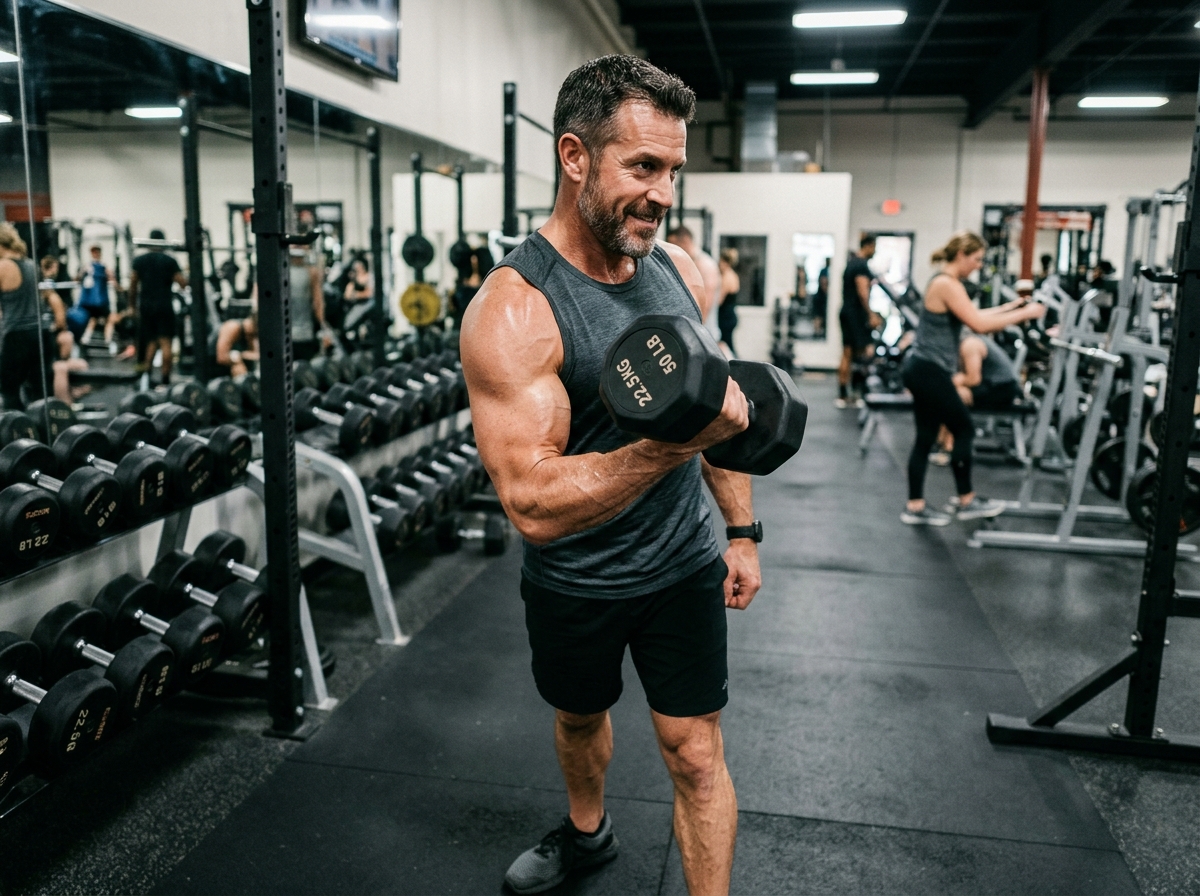
Preserving muscle mass and bone density becomes vital as the years pass. Without intentional resistance training, the human body naturally faces a progressive loss of skeletal muscle mass and strength—a process that can slowly compromise your posture, stamina, and daily mobility. However, weightlifting and functional movement can completely halt—and even reverse—this aging process.
This functional training guide walks you through safe, effective strength training routines designed specifically to preserve your power, boost core stability, and maintain your overall physical freedom.
1. The Power of Compound Movements
When it comes to training for longevity, efficiency and safety are key. Compound movements—exercises that recruit multiple joints and major muscle groups simultaneously—should form the bedrock of your routine.
Unlike isolation exercises (like a machine bicep curl), compound movements mimic real-world activities. Exercises like squats, deadlifts, overhead presses, and chest presses force your body to work as a unified system. These movements trigger a higher natural release of muscle-building hormones, improve coordination, and build functional strength that directly translates to daily tasks like lifting groceries, standing up from a low chair, or carrying heavy objects without strain.
2. Nurturing Core Stability & Balance
A strong core is about far more than just aesthetics; it is the ultimate foundational shield for your spine and the epicenter of your balance. As the body matures, a weakened core shifts the burden of movement onto the lower back, frequently resulting in chronic pain and stability issues.
Functional core training focuses on stability rather than forced bending (like traditional crunches). Incorporating movements like planks, bird-dogs, and farmer’s carries teaches the deep abdominal muscles and lower back to stabilize the spine under tension. Building this internal framework drastically improves your everyday balance, reduces the risk of sudden falls, and ensures your posture remains upright and confident.
3. Protecting and Lubricating Aging Joints
A common misconception is that lifting weights damages joints as you get older. The biological reality is exactly the opposite: correct, controlled resistance training increases bone density and thickens the connective tissues surrounding your joints, actively protecting them from wear and tear.
To lift safely over 50, the secret lies in controlled execution and keeping a strict focus on form rather than chasing heavy weights. Utilizing a controlled temp (2 seconds down, 2 seconds up) keeps the stress placed strictly on the muscles rather than crashing into the joints. Regularly moving through your full, pain-free range of motion lubricates the joints with fluid, keeping you nimble and flexible.
4. The Functional Workout Framework
To build a sustainable routine, aim for 3 days a week of progressive resistance training, leaving a rest day between sessions for proper recovery. Here is a simple, highly effective functional structure you can follow:
- Squat Component (Goblet Squat or Bodyweight Squat): Builds leg power, glute strength, and knee stability.
- Hinge Component (Dumbbell Romanian Deadlift): Strengthens the hamstrings, glutes, and lower back to protect your spine.
- Push Component (Dumbbell Chest Press or Incline Press): Maintains upper body strength in the chest, shoulders, and triceps.
- Pull Component (Supported Dumbbell Row or Lat Pulldown): Crucial for pulling the shoulders back and counteracting a slouched posture.
- Core Component (Plank Hold or Farmer’s Walk): Locks in trunk stability and builds grip strength simultaneously.
The Bottom Line: Preserving your muscle mass is the ultimate long-term insurance policy for your physical freedom. You don’t stop lifting because you grow old; you grow old because you stop lifting. By consistently challenging your muscles with safe, functional movements, you safeguard your independence and guarantee a strong, active future.
